


Resistance bands have become a staple in fitness routines due to their versatility, portability, and effectiveness. Whether you’re a beginner or a seasoned athlete, using resistance bands can enhance your strength training, improve flexibility, and boost muscle tone. Trainers and fitness experts frequently recommend specific bands that offer the right balance of tension, durability, and comfort.
Best overall resistance band
Testing showed no single resistance band stood out as the best. Each offers unique features and serves different fitness needs, making it hard to pick a clear winner. Still, these options are excellent choices for anyone looking to upgrade their home gym with quality resistance bands.
Bodylastics Stackable Tube Resistance Bands
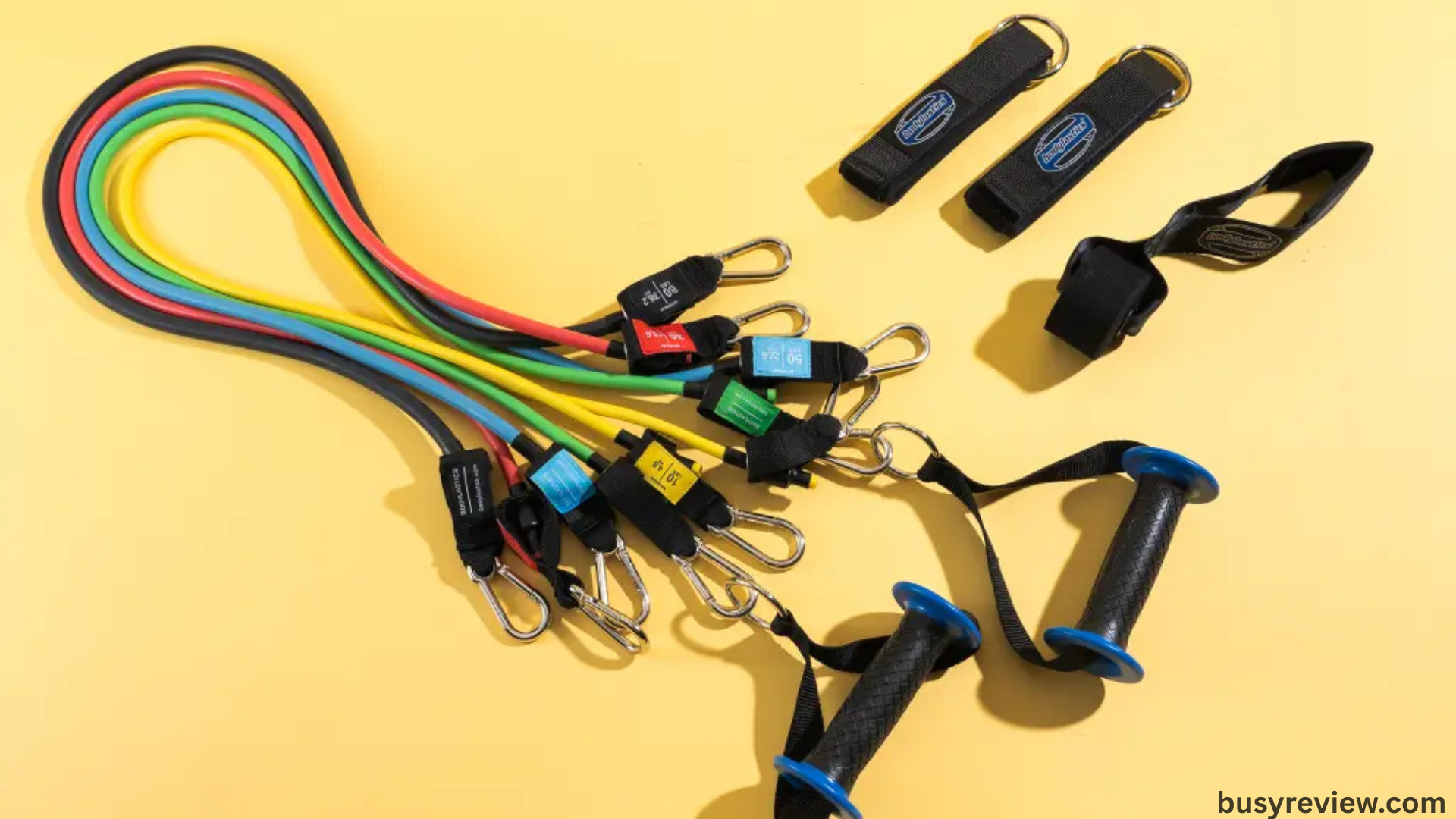
Many worry about resistance bands snapping mid-workout. That’s why we recommend the Bodylastics Stackable Tube Resistance Bands. Built with inner woven cords, they resist overstretching—one of the main causes of breakage. The set includes five bands with resistances up to 80 pounds, plus a door anchor, two grippy handles, and padded ankle straps.
Living Fit Resistance Bands
Living Fit Resistance Bands offer a wide resistance range from 5 to 200 pounds making them versatile for nearly any exercise and fitness level. Each set includes a door anchor and a convenient carrying bag. They’re also backed by a lifetime warranty, with the company promising to replace any snapped bands.
Synergee Mini Loop Bands
Many mini-bands tend to scrunch and pinch during workouts, but the Synergee Mini Loop Bands stayed securely in place. Each of the five bands is marked with one to five dots, making it easy to identify resistance levels at a glance.
Read More: Ultimate Guide to the Best Non-Slip Yoga Mat
Resistance Band Training Economy Fitness Package
Trainers have consistently named the Resistance Band Training Economy Fitness Package their top choice since we began this guide. It combines the best features of both handled tube bands and superbands. The kit includes two molded plastic handles, four superbands, a 13-inch mini-band, and an anchor. Like our top tube-and-handle pick, it’s held its place for seven years straight.
Best Resistance Bands for Strength Training
Monster Bands
I turn to these bands when I want to simulate heavy lifts like deadlifts, squats, or assisted pull-ups. They’re thick, durable, and provide more resistance than most people need. Unlike weaker options, they don’t stretch or fray over time. Without a barbell, I can still anchor these bands to perform challenging hinge patterns or press variations.
Chung frequently uses high-resistance bands like these to replace traditional weights in compound movements, such as banded presses, rows, or squats. However, he advises matching the band to the exercise. “To effectively challenge a compound movement, you need to push and stretch the band further,” he says. Choosing a band that’s too light or unstable can limit your ability to generate force.
Bodylastics
This set is the closest thing to a portable cable machine. Each tube is color-coded and clips into padded handles or ankle straps via carabiners, allowing you to stack resistance based on your workout. I’ve used it for presses, rows, curls you name it. The internal safety cords are a smart addition, especially when you’re working with heavier tension and need peace of mind during reps.
Reformer Loops
If you prefer fabric bands over latex, this set delivers comfort, control, and solid tension. Each loop is wide, soft, and has an inner grip that keeps the band in place no rolling, bunching, or pinching during moves. With resistance levels on the heavier side, they’re perfect for lower-body training where you want to build serious tension.
While they lack the stretch of latex bands, they excel in exercises like glute bridges, side steps, and squats especially when you’re focusing on control and slow movement. Chung often recommends using heavier bands for this reason.
Best Resistance Bands for Travel
Theraband
I always pack these bands when I travel. They’re incredibly lightweight, fold down to the size of a napkin, and provide just the right resistance for effective bodyweight exercises when I’m away from the gym. I’ve used them for dynamic warm-ups, banded core work, and shoulder mobility sessions, whether in hotel rooms or during client warm-ups. What I love most is how customizable they are.
Perform Better
These mini bands are a staple in rehab clinics and training rooms for good reason. Lightweight, easy to use, and the perfect size for exercises like glute bridges, clamshells, shoulder activation, or core stability work. I’ve used them as a warm-up before lifting, during mobility circuits, and to add an extra challenge to bodyweight workouts.
Ten Thousand
Crafted from natural latex and including a travel case, these Ten Thousand resistance bands offer a resistance range from 20 to 120 pounds. Perfect for vacations, they ensure you never miss a workout, no matter where you are.
What to Look for in Resistance Bands
The best resistance bands withstand repeated stretching without fraying, snapping, or losing tension. Latex bands provide excellent stretch and elasticity but degrade over time. Fabric bands stay in place and last longer, though they offer less range of motion. Ultimately, durability depends on choosing the right band for each exercise and knowing when to increase resistance.
Frequently Asked Questions
What makes a resistance band the best choice for trainers?
Trainers prioritize bands with durability, consistent tension, and versatility in exercises. A high-quality resistance band should withstand repeated use without losing its elasticity, and it should offer a range of resistance levels for various fitness goals.
What resistance level should I choose for my workout?
The ideal resistance level depends on your fitness level and the exercises you plan to do. Beginners should start with lighter resistance bands, while intermediate and advanced users may prefer heavier resistance for more challenging workouts.
Can resistance bands replace weights in strength training?
Yes, resistance bands can be an effective alternative to weights for strength training. They provide constant tension throughout movements, which can help build strength, especially for compound exercises like squats, presses, and rows.
Are fabric or latex resistance bands better?
It depends on your preferences and the exercises you do. Latex bands offer more elasticity and are better for dynamic exercises, while fabric bands tend to be more durable, stay in place better, and are ideal for lower-body exercises like glute bridges and squats.
How long do resistance bands last?
Resistance bands typically last for several months to years, depending on the material, how often they’re used, and the intensity of your workouts. Proper storage and care can prolong their lifespan.
Can resistance bands help with rehabilitation?
Yes, resistance bands are commonly used in rehab settings because they provide a controlled, low-impact way to strengthen muscles and improve mobility. They’re often used in physical therapy to target specific muscles without stressing joints.
Are resistance bands suitable for all fitness levels?
Absolutely! Resistance bands come in various resistance levels, making them suitable for everyone from beginners to advanced athletes. They are also highly versatile, enabling modifications to fit different fitness goals.
Conclusion
Resistance bands are an essential and versatile tool in any fitness routine, offering a wide range of benefits for individuals at all fitness levels. Whether you’re training at home, on the go, or in a gym, the right resistance band can provide effective workouts for strength, flexibility, and rehabilitation. From latex to fabric options, each type offers unique advantages, allowing you to tailor your workouts to your specific needs.