


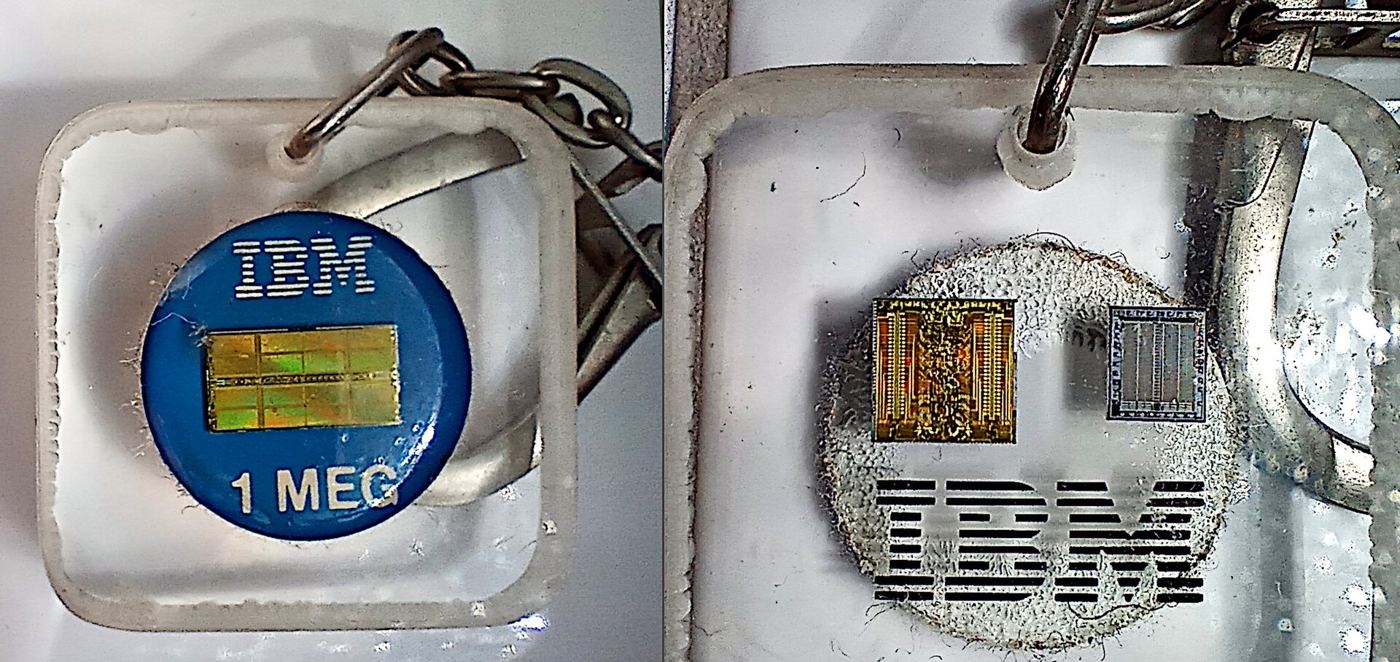
SK Hynix raised 26.5 billion dollars in its public offering, making it one of the biggest initial public offerings ever and the largest by an Asian company. The South Korean memory chipmaker’s listing came in a year when the biggest offerings in history have been rewritten, with SpaceX raising 75 billion dollars in June and Anthropic raising 81.3 billion dollars on 18 November. The scale of the SK Hynix deal reflects the central role of memory chips in the artificial intelligence boom, where high-bandwidth memory has become one of the most sought-after components in data centres around the world today.
What the Evidence Shows
Memory chips were once a boom-and-bust commodity business, but the artificial intelligence build-out has turned them into a strategic asset. Data centres training large AI models need vast amounts of high-bandwidth memory, and supply has struggled to keep pace with demand, pushing prices higher. SK Hynix is one of only a handful of companies that can make the most advanced memory chips, giving it pricing power that would have been hard to imagine a few years ago. The success of the offering will encourage other Asian technology companies to test public markets, even as global stock markets remain volatile and unpredictable. Reporting and analysis from sources such as International Monetary Fund track the same developments, and specialists following the SK Hynix public offering say the direction is now consistent across independent lines of evidence.
The Wider Context
The wider context is a financial system repricing risk after a long era of cheap money. Decisions shaped by the SK Hynix public offering are being made under closer supervisory attention, with stress tests and disclosure rules that assume conditions can worsen quickly. Institutions that planned for the benign case are adjusting in public, which is uncomfortable and healthy in equal measure.
What Happens Next
What happens next with the SK Hynix public offering will be visible first in the data that professionals watch weekly: flows, spreads and the terms on new deals. Participants who spoke for this article expect a period of adjustment rather than drama, with the biggest effects landing on those who assumed the old conditions were permanent. Planning, as ever, is the cheapest hedge. You can follow related developments in our coverage of finance.
There is a practical lesson in all of this for readers deciding what to do today. Start with the verified facts, be wary of anyone promising certainty, and prefer reversible steps while the evidence is still developing. Circumstances differ by country, income and personal situation, so general guidance should always be weighed against your own context before you act on it in any significant or lasting way.
It is also worth remembering how quickly the picture in this area has changed before. Positions that looked settled a few years ago have been revised as new data arrived, and the same humility is appropriate now. The strongest coverage of this subject, and the most useful advice, tends to come from sources that update their views openly when the facts move, rather than defending an earlier position long after it has stopped fitting the evidence available.
