


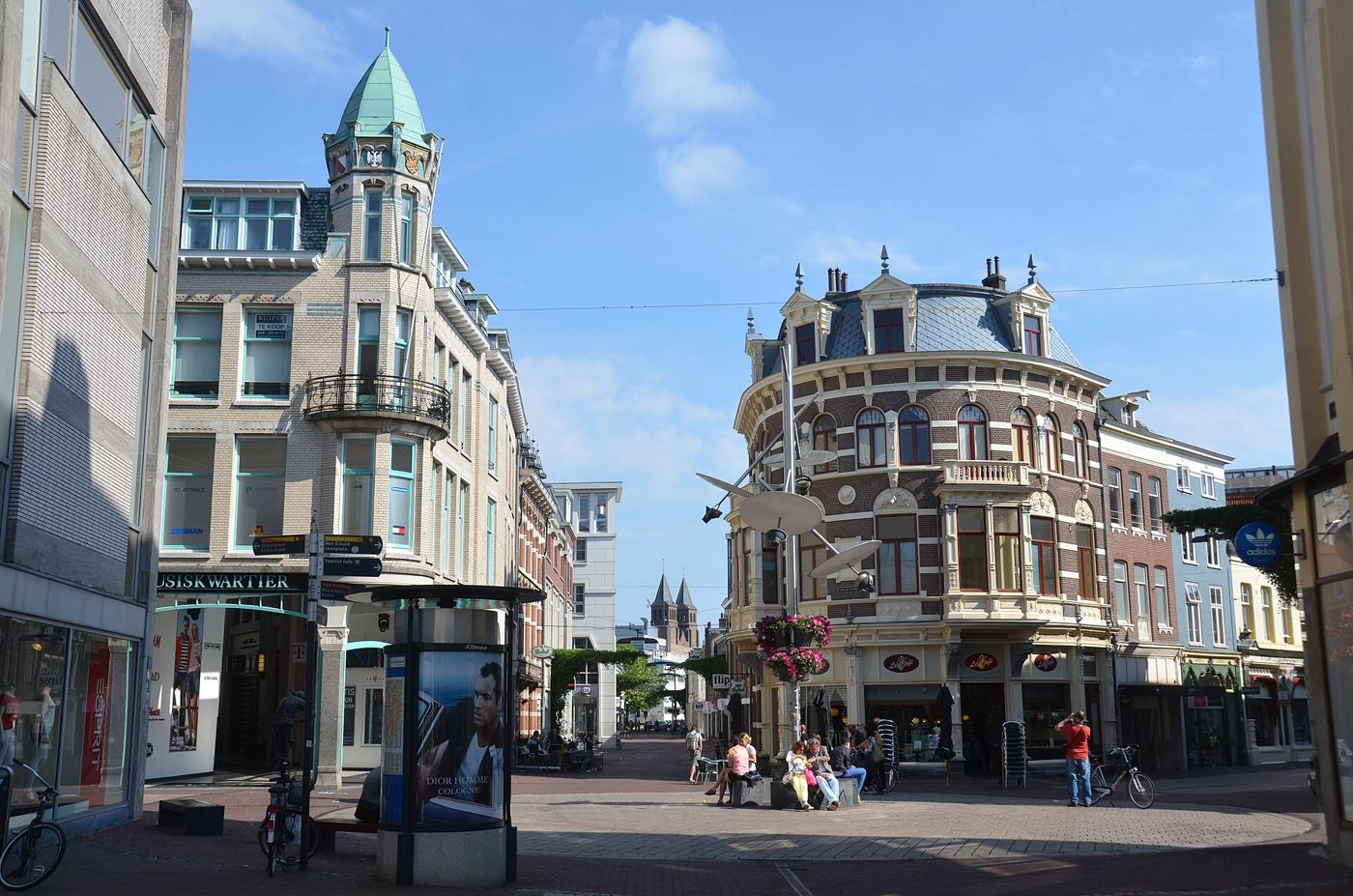
Town centre retailers are testing coordinated evening openings this season, hoping that later hours, combined with food stalls, live music and community events, will encourage shoppers to visit in person rather than defaulting to online baskets. Shop owners say the pattern of trade has changed, with weekday lunchtimes quieter as more people work from home, while early evenings offer a window for browsing after work. Councils supporting the trials are funding extra lighting, cleaning and public transport information to make centres feel welcoming after dark. Participating stores track footfall and sales carefully, comparing event evenings with ordinary ones to judge whether additional staffing costs are justified. Independent shops in particular value the chance to be discovered by visitors drawn in by larger attractions, turning a single planned purchase into several smaller ones across the street. Early results suggest families especially welcome the chance to shop together after school and work.
What the Evidence Shows
Retail analysts caution that evening openings work best as part of a wider offer rather than a standalone fix, including reliable parking, safe walking routes and a mix of services such as repair shops, cafes and pharmacies that give people several reasons to visit. Landlords may also need to reconsider rents and lease flexibility if smaller tenants are to survive long enough to benefit from rising footfall. Data from the trials will inform decisions about making later hours permanent on selected days rather than every night. Environmental considerations feature too, with businesses encouraged to use efficient lighting and coordinate deliveries. For shoppers, the appeal is simple: unhurried browsing, personal advice and the ability to see and try goods before buying. If the experiments succeed, they could offer a practical model for reviving local retail without relying solely on discounting. The coming months will show whether the model can survive beyond the initial novelty. Reporting and analysis from sources such as International Monetary Fund track the same developments, and specialists following evening openings to lift high street spending say the direction is now consistent across independent lines of evidence.
The Wider Context
The wider context is a financial system repricing risk after a long era of cheap money. Decisions shaped by evening openings to lift high street spending are being made under closer supervisory attention, with stress tests and disclosure rules that assume conditions can worsen quickly. Institutions that planned for the benign case are adjusting in public, which is uncomfortable and healthy in equal measure.
What Happens Next
What happens next with evening openings to lift high street spending will be visible first in the data that professionals watch weekly: flows, spreads and the terms on new deals. Participants who spoke for this article expect a period of adjustment rather than drama, with the biggest effects landing on those who assumed the old conditions were permanent. Planning, as ever, is the cheapest hedge. You can follow related developments in our coverage of finance.
There is a practical lesson in all of this for readers deciding what to do today. Start with the verified facts, be wary of anyone promising certainty, and prefer reversible steps while the evidence is still developing. Circumstances differ by country, income and personal situation, so general guidance should always be weighed against your own context before you act on it in any significant or lasting way.
