


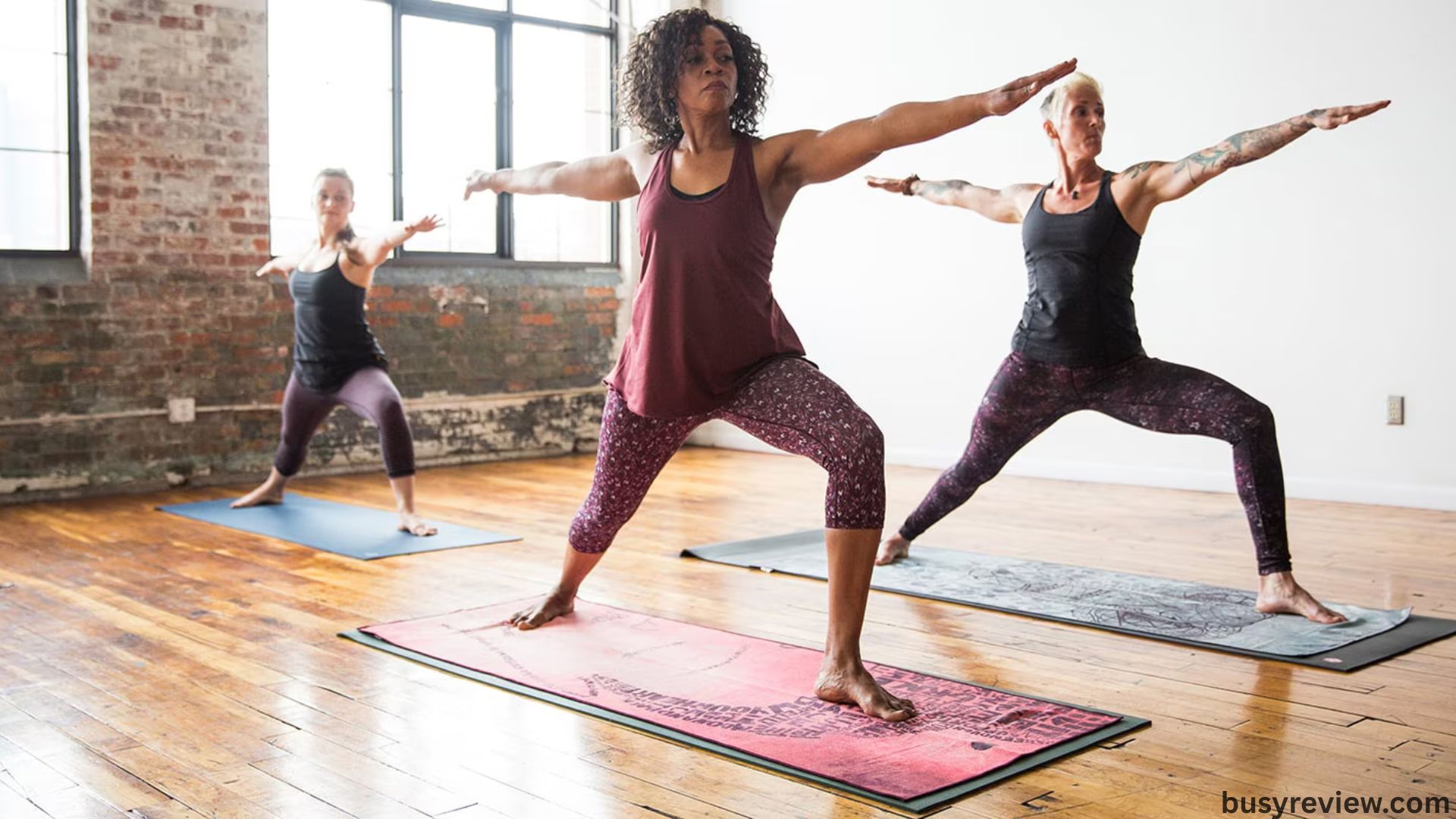
Looking for the perfect yoga mat that keeps you grounded literally The Ultimate Guide to the Best Non-Slip Yoga Mat is here to help. Whether you’re mastering hot yoga or flowing through Vinyasa, a reliable non-slip mat can make all the difference in your practice.
BEST YOGA MAT
Choosing the right yoga mat is essential for a comfortable and effective practice, whether you’re just starting or are an experienced yogi. A quality mat not only enhances comfort and support but also helps prevent injuries and improve alignment. This guide will help you understand what to look for when selecting a yoga mat.
Material of the mat
The material of your yoga mat plays a crucial role in determining its durability, comfort, and environmental impact. PVC (Polyvinylchloride) mats are highly durable, slip-resistant, and easy to clean, but they are not the most environmentally friendly option.
Natural rubber mats are biodegradable, provide excellent slip-resistance, and are highly durable, but they can be heavier and more expensive. Cork mats are environmentally friendly, antibacterial, and offer superior grip, especially when hands are wet.
Sustainable And Non-Toxic Yoga Mats
Your yoga mat’s material can directly impact your breathing. Since proper breathing is essential to yoga, it’s worth noting that most mats are made from PVC plastic—a toxic material containing lead and other heavy metals for stability. When disposed of through burning or burial, PVC releases dioxins, harmful carcinogens that pose serious health and environmental risks.
HZCORK Cork Yoga Mat
A common concern with new yoga mats is the smell but cork yoga mats stand out for being virtually odorless. While they may carry a faint, natural woody scent, it’s mild and generally well-tolerated. Cork is harvested sustainably every 10–20 years, making it an eco-friendly choice. It’s also flexible, airtight, non-toxic, and soft to the touch, offering a comfortable and safe practice surface.
Despite its simple look, cork provides excellent grip even when wet and resists wear and tear. Compared to TPE or natural rubber mats, cork mats have minimal odor and don’t require time to air out, making them a healthier and more sustainable option.
Read More: Top Adjustable Dumbbells: Expert Picks for You
Gaiam Jute Yoga Mat
The Gaiam jute yoga mat is crafted from eco-friendly jute fiber—a fast-growing plant that matures in just 4–5 months. Jute helps purify the air by absorbing carbon dioxide, and its leaves naturally enrich the soil, making it a highly sustainable choice. This mat combines jute fibers with patented PER, a phthalate-free material that’s safer for both users and factory workers.
Designed for performance, the mat is sweat-resistant and naturally antibacterial—perfect for hot, intense practices like Bikram, Vinyasa, Ashtanga, and prenatal yoga. It also works well for Pilates and strength training. The textured surface offers enhanced grip and stability, helping you stay grounded and slip-free during every session.
Abhineh organic cotton yoga mats
Abhineh organic cotton yoga mats are hand-woven from 100% natural cotton and dyed using herbal and vegetable-based colors. Each of the five available shades is derived from a specific plant—blue from indigo, black from karungali kattai (black ebony), yellow from turmeric, green from tulasi, and grey from cumin—making every mat a celebration of nature.
Woven over three days with expert craftsmanship, these mats are not only durable but also breathable, anti-odor, and naturally non-slip. Their eco-friendly construction and vibrant, plant-based colors make them a beautiful and sustainable choice for mindful yoga practice.
Suga wetsuit yoga mat
Suga yoga mats are made by recycling old wetsuits hence the name, a blend of “surf” and “yoga.” To date, over 12,500 wetsuits have been kept out of landfills. These mats are not only made from recycled materials but are also fully recyclable. Once you’re done with your mat, you can send it back to Suga to be repurposed into a new one.
Green Earth Wool Yoga Mat
The Green Earth Wool Yoga Mat combines wool, cotton, linen fibers, and natural rubber for a supportive, eco-conscious practice. Its top layer features 100% kbT-certified wool from New Zealand, while the bottom has a non-slip coating made from linen and natural latex. This design provides a textured surface with excellent grip and absorbency, offering a more tactile experience than Green Earth’s cotton-based mats.
Hugger Mugger Eco-friendly TPE Yoga Mat
Hugger Mugger yoga mats are known for their sustainability, being biodegradable, non-toxic, and recyclable. As one of the pioneers in eco-friendly mats, the brand uses thermoplastic elastomers (TPE), a fully recyclable material. Many yogis trust Hugger Mugger for its commitment to environmental responsibility.
Made from 100% natural rubber sourced from non-Amazonian regions, these mats provide excellent grip, comfort, and durability. However, their slightly smaller size may not be ideal for taller individuals or those who require extra space during more extensive practices.
Frequently Asked Questions
What makes a yoga mat non-slip?
Non-slip mats are designed with textured surfaces or specific materials like natural rubber or TPE that provide grip, even when hands and feet are sweaty.
Which material is best for non-slip performance?
Natural rubber and cork are top choices for grip, especially during hot or dynamic yoga sessions. TPE also offers good slip resistance in a lightweight form.
Are non-slip yoga mats suitable for all types of yoga?
Yes, but they’re especially beneficial for fast-paced or sweat-heavy practices like Vinyasa, Ashtanga, or hot yoga. For gentle yoga, comfort and cushioning may be more important.
Do I need a yoga towel if I have a non-slip mat?
Not always. High-quality non-slip mats often eliminate the need for a towel, but in very sweaty sessions, a towel can still help improve grip and hygiene.
How can I improve the grip of my current mat?
Clean your mat regularly to remove oils and dirt. For new mats, especially PVC, breaking them in or using a light vinegar-water spray can improve grip.
Are non-slip mats more expensive?
They can be slightly pricier due to premium materials like natural rubber or cork, but many budget-friendly, grippy options are also available.
What size and thickness are best for stability and grip?
A standard size (68” x 24”) works for most, but taller individuals may need extra length. For grip-focused practice, mats 3–5mm thick offer a good balance of traction and support.
Conclusion
Finding the best non-slip yoga mat can greatly enhance your practice by providing the grip, support, and comfort needed to move with confidence and stability. Whether you prefer the eco-friendliness of cork, the durability of natural rubber, or the lightweight feel of TPE, there’s a mat to match your needs and values. Consider your yoga style, environment, and personal preferences when choosing the right material.