


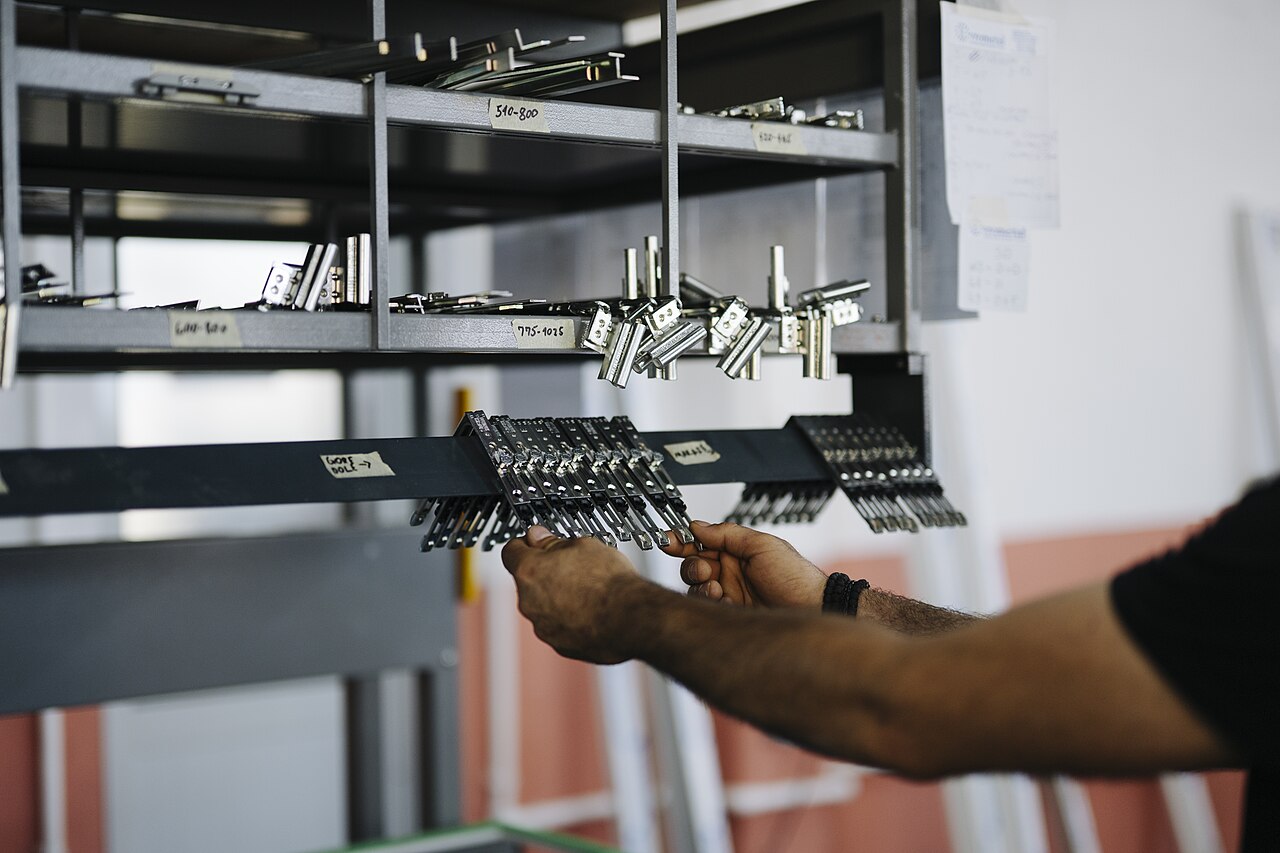
Ask the owner of a small warehouse what is actually on the shelves and, until recently, the honest answer was often an estimate. Stock lived in spreadsheets updated at the end of the week, in the memory of the longest-serving picker, or nowhere at all. A wave of inexpensive inventory apps, most of them running on ordinary phones, is replacing that guesswork with live counts, and the change is reshaping how small distributors, workshops and online sellers run their operations.
Phones Replaced the Expensive Hardware
The turning point was the camera. Modern phones scan barcodes and QR codes as reliably as dedicated warehouse scanners that once cost hundreds of pounds each, so the hardware barrier to accurate tracking disappeared. Staff label shelf locations, scan goods in and out, and the app maintains a running record that everyone sees at once. When a customer asks whether an item is in stock, the answer comes from the system rather than from a walk down the aisle.
The benefits compound quietly. Accurate counts mean fewer emergency orders of parts that were in the building all along, fewer refunds for items sold but not actually available, and a stocktake that takes an afternoon instead of a weekend. Owners also gain a history: which lines move fastest before holidays, which sit untouched for a year, and where damage or shrinkage keeps occurring.
Where the Simple Systems Struggle
Apps do not fix bad habits. If staff skip scans during busy periods, the record drifts from reality just as the old spreadsheet did, only faster and with more confidence attached. Successful adopters keep the discipline simple: scan everything, at the same points in the workflow, every time. Very large or fast-moving operations can also outgrow entry-level tools and need systems that direct pickers around the building or integrate with automated conveyors.
Integration is the next step most of these businesses take. Once stock records are trustworthy, the same app can feed an online shop, so an item sold on the website disappears from the shelf count instantly, or generate a purchase order when a line falls below its minimum level. Accountants, traditionally handed a shoebox of invoices at year end, increasingly receive clean digital records instead. None of this requires the business to change what it sells or how it serves customers. It changes only the reliability of the answer to the oldest question in trade: what have we got, and where exactly is it?
For the much larger group of businesses in between, though, the change is lasting. Inventory accuracy used to be a advantage reserved for companies big enough to buy enterprise software. Now it fits in a pocket, and small warehouses that adopt it are finding that knowing exactly what they hold is the cheapest efficiency they ever bought.
